Na fabricação de chapas metálicas, ângulos de dobra imprecisos são um dos problemas mais comuns nas operações de prensa dobradeira. Mesmo um pequeno desvio pode afetar a qualidade da montagem e aumentar os custos de retrabalho.
Variação de material (efeito Springback)
Diferentes materiais apresentam desempenho de dobra significativamente distinto. A razão central está na recuperação elástica que ocorre naturalmente após a liberação da pressão, conhecida como “springback”. Por exemplo, o aço inoxidável normalmente apresenta muito mais springback do que o aço carbono comum. Chapas mais espessas também tendem a exibir uma recuperação elástica mais pronunciada devido ao maior estresse interno. Se o valor de compensação do springback não for calculado ou definido com precisão, o springback real do material não corresponderá à compensação programada, resultando, por fim, em desvios no ângulo de dobra.
Seleção incorreta de ferramentas
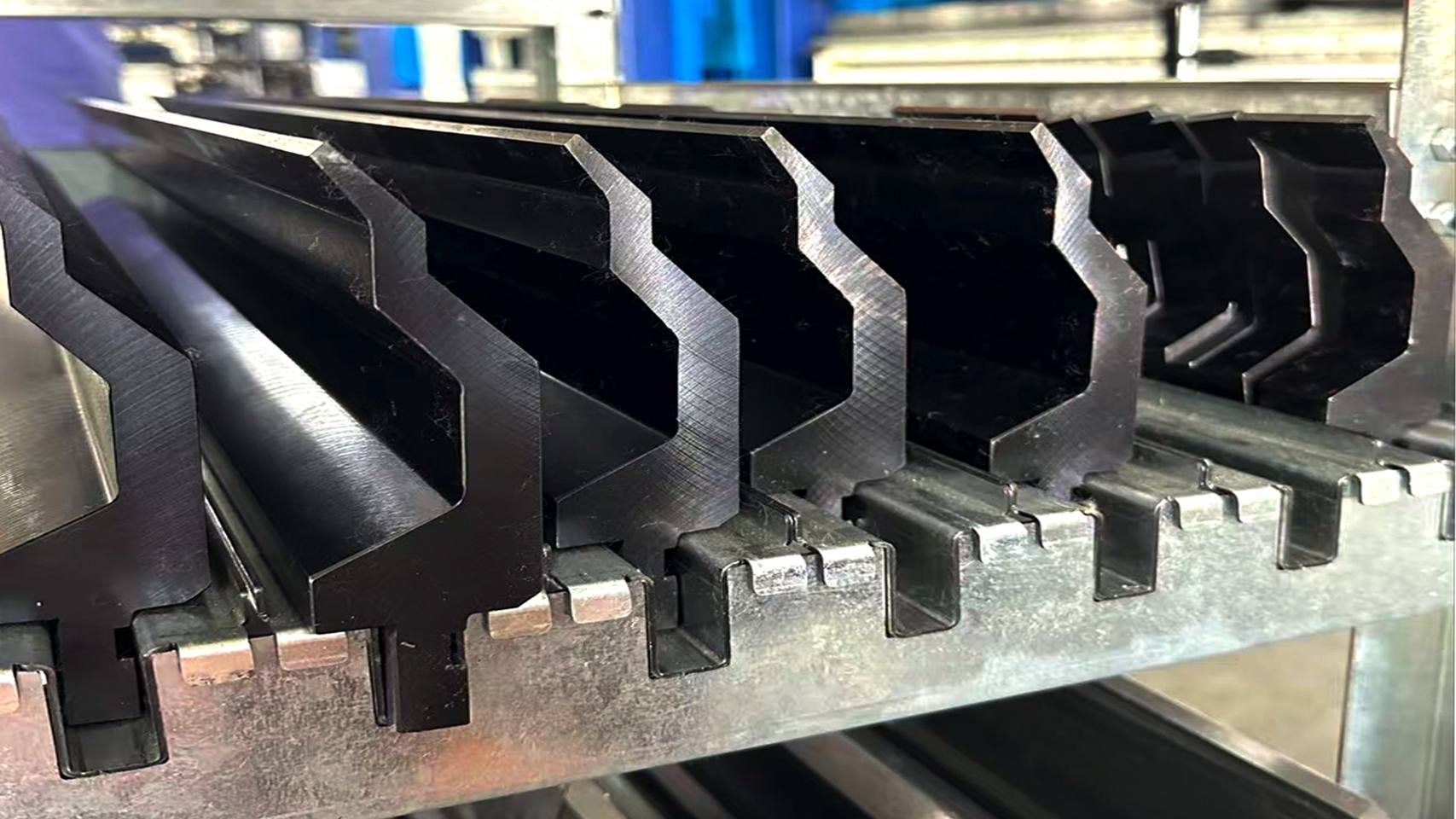
A precisão e a qualidade de conformação das operações de dobra dependem principalmente de se as ferramentas estão em boas condições. Na produção real, problemas frequentemente surgem de vários aspectos: uma abertura de matriz em V incorreta impedirá que o material seja devidamente conformado sob força; desgaste, lascamento ou danos no punção ou na matriz inferior comprometem a precisão de contato; e precisão insuficiente ou retificação inadequada das próprias ferramentas dificultam a obtenção de ângulos estáveis, mesmo quando as ferramentas corretas são selecionadas. Em essência, qualquer negligência na seleção, uso ou manutenção das ferramentas acabará se refletindo em desvios no ângulo de dobra.
Problemas de calibração da máquina
Mesmo "prensas dobradeiras CNC de alta qualidade podem desenvolver desvios de precisão após uso prolongado. Problemas comuns incluem erros de posicionamento do batente traseiro, dessincronização entre os eixos Y1/Y2 e pressão hidráulica instável. Além disso, desalinhamento da máquina também pode levar a ângulos de dobra inconsistentes.
Desgaste das ferramentas e problemas de manutenção
Com o uso acumulado ao longo do tempo, as ferramentas de dobra inevitavelmente sofrem desgaste natural. Isso geralmente se manifesta como arredondamento gradual da borda do punção, expansão do sulco em V da matriz inferior e uma queda geral na precisão da superfície. O desgaste das ferramentas reduz diretamente a estabilidade do processo e a precisão do controle do ângulo durante a dobra.
Configuração inadequada ou erro do operador
Na produção real, uma parcela considerável dos problemas de qualidade na dobra não é causada pela própria máquina, mas sim por erros de configuração ou do operador. Posicionamento impreciso da chapa, desvios nas configurações do batente traseiro ou a omissão do processo de dobra de teste pré-produção — essas falhas operacionais aparentemente pequenas muitas vezes resultam em defeitos de consistência em lotes inteiros de peças.
Tolerância da espessura do material
As propriedades físicas dos materiais de chapa metálica nem sempre são perfeitamente uniformes. Mesmo dentro do mesmo lote, podem existir variações de espessura, diferenças em revestimentos de superfície e distribuição desigual de tensões residuais internas. Essas pequenas inconsistências do material afetam diretamente a transmissão de força e o comportamento de retorno elástico durante a dobra, tornando, por fim, difícil garantir ângulos de dobra consistentes.
O caminho principal para melhorar a precisão de dobra está na formação de um sistema em circuito fechado de “seleção de hardware – controle de parâmetros – verificação física”. Especificamente, deve-se priorizar ferramentas de prensa dobradeira de alta precisão, com dimensões de abertura em V selecionadas de forma científica.Isso deve ser combinado com calibração regular da máquina e configurações precisas do programa CNC, sendo finalmente verificado por meio de dobras de teste antes da produção em massa. É particularmente importante enfatizar que a qualidade das ferramentas desempenha um papel fundamental em todo o sistema. Seu nível de precisão determina diretamente a repetibilidade e a estabilidade do processo em cada operação de dobra.
Em conclusão, a precisão de dobra não é determinada por um único fator, mas sim pelo resultado combinado de múltiplas variáveis, incluindo propriedades do material, condição das ferramentas, precisão da máquina e métodos operacionais. Somente controlando efetivamente cada etapa do processo os fabricantes podem realmente melhorar a consistência do produto, reduzir as taxas de sucata e alcançar produção em massa de alta qualidade.

 0555-6768298

 conectados
 0555-6768298
 0555-6769126
 sales2@cngolin.cn
 +86 18251802252